I have replaced radiator heat in three homes in Shorewood and Whitefish Bay
When I first wrote about it in 2017, younger buyers were cautious about hot water heat in our beautiful older homes. Nearly a decade later, the question has changed. Today's buyers are less worried about the radiators and far more focused on one thing: central air.
If you own a classic Tudor, Colonial or Arts and Crafts home on Milwaukee's North Shore and you are weighing the change, this is the guide for you. I will walk you through your options, the process, today's costs, and how the project pays off when it is time to sell.
First, decide what you really want
For most North Shore homes I sell, full conversion or keeping the radiators with high velocity air are the two choices that photograph and show best.
Option | What it is | Best for |
Full conversion | Remove the boiler and radiators; install a furnace and central air with new ductwork | Owners who want one modern system and open wall space |
Dual fuel conversion | Same as above, pairing a cold climate heat pump with a gas furnace for the coldest days | Owners who want efficiency and Wisconsin winter backup |
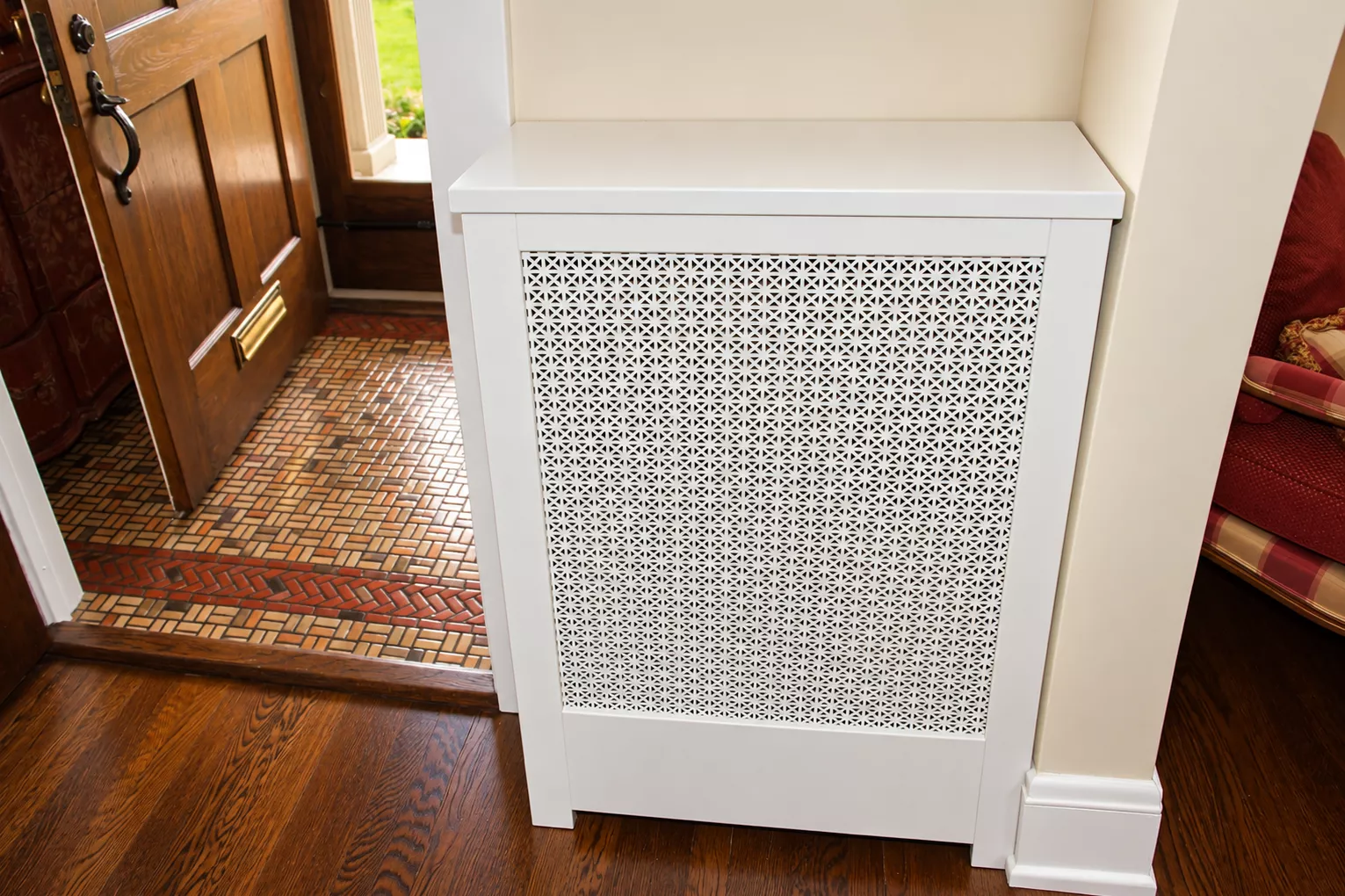
Keep the radiators, add cooling | Keep the boiler and add a high velocity, small duct central air system | Architecturally significant homes where plaster and millwork must stay intact |
Ductless mini splits | Wall or ceiling mounted cooling and heating heads, no ducts | Additions, sunrooms and third floor spaces |
Radiators are not a flaw. Many buyers love the quiet, even warmth of hot water heat, and a well maintained boiler can run for decades. What a buyer notices in July is the absence of cooling. That gives you four good paths.
How a full conversion is done
1. Select the right contractor. Ask for a room by room heat load calculation, not a guess based on square footage. The contractors I have trusted for years are on our vetted list; call my office at 414.963.0000.
2. Test before you remove. Insulation on older boiler piping can contain asbestos. Have it tested, and if needed, removed by a licensed abatement firm before demolition begins.
3. Remove the boiler, radiators and piping. Your contractor takes everything out of the living spaces and the basement.
4. Plan your chases. If the boiler vented into a chimney and you install a direct vent furnace, the chimney may become a chase for ducts running to the second floor. Stacked closets work well too.
5. Run the ductwork. Ducts go between the basement joists for the first floor, and around the attic perimeter for the second floor. Ask that attic ducts be sealed and insulated.
6. Place the equipment. In my first house, I used the chimney as the duct chase and needed just one furnace. Many homes need two: one in the basement for the first floor and one in the attic for the second. For any attic unit, insist on a drip pan with a float switch that shuts the system off before water reaches your ceiling.
7. Choose your registers. Select wood floor registers stained to match your hardwood, and clean white registers for ceilings.
8. Finish beautifully. Patch the plaster, refinish the floors where the radiators stood, and paint. This is the step buyers see, so treat it as part of the project, not an afterthought.
What it costs in 2026
In 2017, I put this project in the neighborhood of $18,000. Costs have risen since. National cost guides now place a full boiler to forced air conversion anywhere from about $7,000 to $40,000. Larger North Shore homes that need two systems, central air and finish work should plan toward the upper end of that range.
Two money notes for 2026. The federal Energy Efficient Home Improvement Credit (Section 25C) ended for equipment installed after December 31, 2025. Wisconsin's Focus on Energy program still offers rebates and instant discounts on qualifying furnaces, heat pumps and smart thermostats, so ask your contractor to confirm what applies before you buy.
The payoff when you sell
Central air sits near the top of every buyer's list in our market. A beautiful older home without it narrows your buyer pool before the first showing. A clean, quiet, well documented system does the opposite: it lets buyers fall in love with the architecture instead of worrying about August.
This is exactly the kind of project I manage for my sellers. I coordinate the contractors, the floors, the paint and the staging so the home goes to market finished. If you are thinking about selling in the next year or two, call me before you start. We will make sure every dollar you spend shows up in your sale price.
Thank you for following my Home Improvement Payoff series, where I share the real projects that deliver the best return at resale.
Suzanne Powers CEO, Founder and Broker-Owner, Powers Realty Group, Inc. Milwaukee's Luxury Leader | Wisconsin's #1 Boutique Broker™ 414.963.0000 | suzanne@powersrealty.com
Frequently Asked Questions
Can you replace radiators with forced air in an older home?
Yes. The boiler, radiators and piping are removed, ductwork is run through the basement and attic, and one or two furnaces are installed, often with central air at the same time.
How much does it cost to convert radiators to forced air in 2026?
$7,000 to $40,000. Larger North Shore homes needing two systems, central air and floor refinishing should plan toward the upper end.
Can I add central air and keep my radiators?
Yes. A high velocity, small duct system adds central air with minimal disruption to plaster and millwork, while your boiler keeps heating the home.
Does replacing radiators with forced air add resale value?
Central air is near the top of buyer expectations on Milwaukee's North Shore. A finished, well documented system widens your buyer pool and keeps the focus on the home's architecture.