Did the relationship end at the closing table, or did it just begin a second chapter?
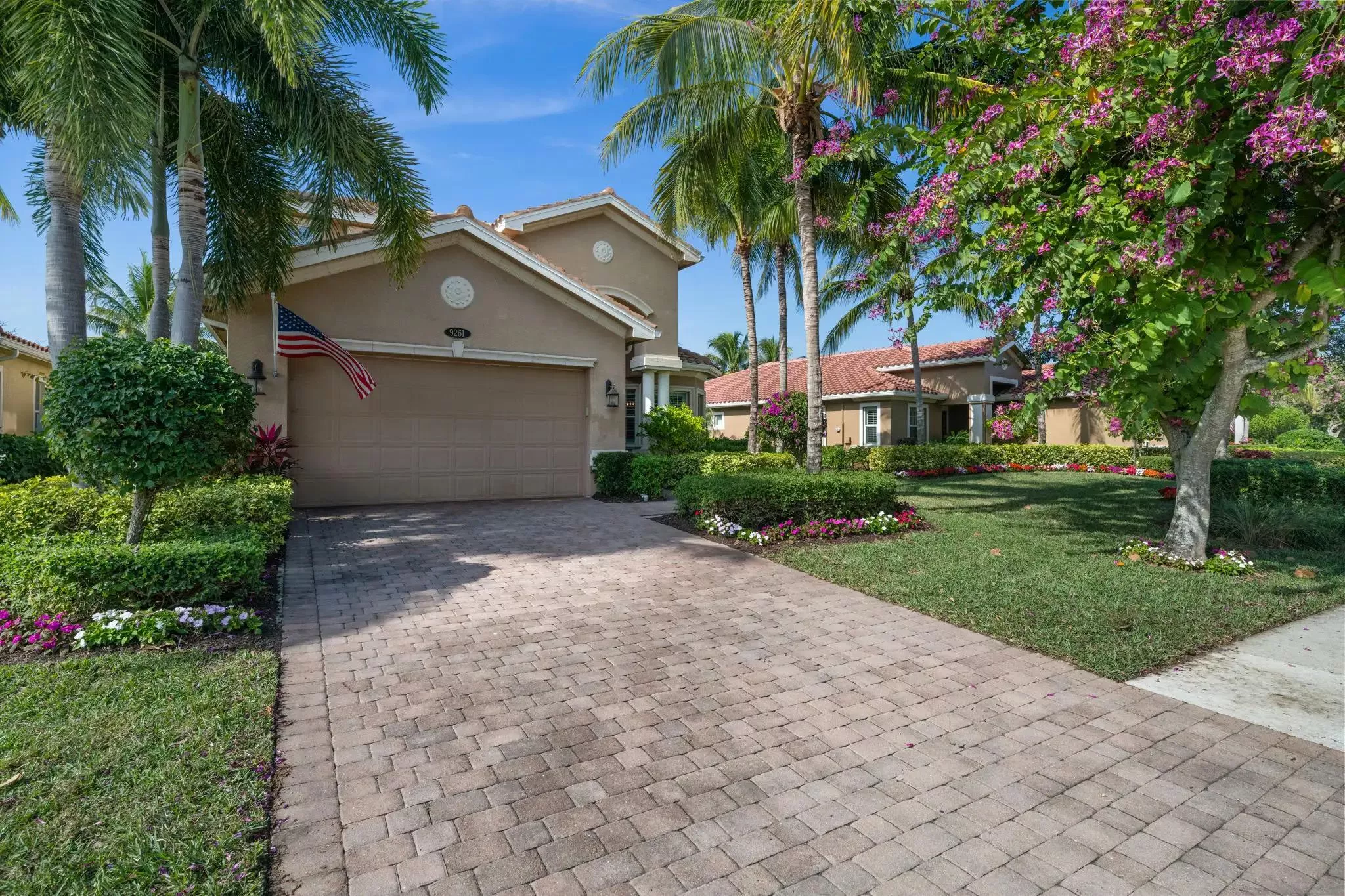
Picture this. Your seller in Whitefish Bay just closed on a beautiful sale, and over coffee they tell you the news: they are moving to Jupiter, Florida. Warm winters, golf, grandchildren nearby. You congratulate them, hug them at the closing table, and they fly south.
Here is the question every agent should ask themselves in that moment: did the relationship end at the closing table, or did it just begin a second chapter?
Too many agents let that client walk out the door and into the arms of whichever Florida agent answers the phone first. The best agents do something different. They pick up the phone, identify the top agent in Jupiter, and set up a formal referral. The client gets white glove service on both ends of the move. The Jupiter agent gets a qualified, motivated buyer. And you get paid on a transaction a thousand miles from your market.
This is one of the most overlooked income streams in real estate, and it deserves a real coaching conversation. Let's have it.
How Referral Fees Actually Work
A real estate referral fee is compensation paid from one brokerage to another for introducing a client who goes on to transact. Three rules govern nearly every referral in this country, and every agent should know them cold.
First, referral fees flow broker to broker, not agent to agent. You do not personally invoice the Jupiter agent. Your broker and their broker execute the agreement, and the fee passes through the brokerages before it reaches you on your commission split. If you are a broker owner, you sign for your own firm.
Second, referral fees may only be paid to licensed real estate professionals. Under federal law, specifically the Real Estate Settlement Procedures Act, paying a referral fee to an unlicensed person in connection with a federally related mortgage transaction is prohibited. Your license is what makes the fee legal. Protect it accordingly.
Third, get it in writing before you make the introduction. A referral agreement should specify the client's name, the fee percentage, which transactions it covers, and how long it remains in effect. A handshake referral is a donation. A written referral is an asset.
What the Fee Looks Like
The customary referral fee in residential real estate is 25% of the receiving agent's gross commission on the referred side of the transaction. In practice, fees range from roughly 20% to 40% depending on the circumstances.
Run the math on our Jupiter example. Your client buys a $2 million home. The buyer's side commission is 2.5%, or $50,000. At a 25% referral fee, your brokerage receives $12,500 for making one phone call and one warm introduction. At 35%, that number is $17,500. On the luxury transactions we handle, referral income is not pocket change. It is a business line.
What moves the percentage up or down? A cold name and phone number sits at the low end. A fully qualified, pre-committed, high value client whom you personally walk into the relationship commands the high end. Relocation companies and lead platforms, which deliver volume, routinely charge 35% to 40%. The fee reflects the quality of the referral and the strength of the relationship behind it.
The Types of Referrals Every Agent Should Know
Not all referrals are built the same. Here is the full landscape.
The One Time Referral
The workhorse of the industry. You refer a specific client for a specific transaction, the deal closes, the fee is paid, and the agreement is complete. If that client buys again in three years, no fee is owed unless a new agreement is signed. Most agent to agent referrals are structured this way, typically at 25%.
The coaching point: a one time referral is clean and simple, but it also means you are leaving future value on the table if your client is likely to transact again.
The Legacy Referral
This is where sophisticated agents separate themselves. A legacy referral, sometimes called a lifetime or perpetual referral, pays the referring agent every time that client transacts with the receiving agent, for the life of the relationship or for a defined term of years.
Think about your Jupiter seller. Affluent clients rarely buy once. They buy the primary residence, then the investment condo, then they sell and trade up, then their daughter buys nearby. Under a one time agreement, you are paid on transaction one. Under a legacy agreement, you participate in all of them.
Legacy referrals are typically negotiated at a somewhat lower percentage per transaction, often 20% to 25%, in exchange for the ongoing tail. Receiving agents accept them because the referred client is valuable enough to justify it. If you are sending a serious luxury client, ask for the legacy structure. The worst answer you can hear is no, and you will be surprised how often the answer is yes.
The Reciprocal Referral Partnership
Rather than a single handoff, two agents in complementary markets agree to send each other business on an ongoing basis. A Milwaukee agent and a Jupiter agent who each serve migrating retirees are natural partners. The percentages are standard, but the relationship compounds. This is how you build a referral pipeline instead of a referral moment. Choose these partners the way you would choose a business partner, because that is what they are.
Inbound Versus Outbound Referrals
Outbound referrals are the ones you send, like our Wisconsin seller heading to Jupiter. Inbound referrals are the ones you receive, and they deserve equal attention in your business plan. When you establish yourself as the dominant agent in your market, out of state agents seek you out. Answer those calls quickly, honor the fee without grumbling, and over communicate with the referring agent throughout the transaction. Agents talk. Your reputation as a referral partner travels farther than any ad.
Relocation Company Referrals
Corporate relocation firms manage employee moves for large companies and route those employees to local agents through their networks. The referral fees are steep, commonly 35% to 40% of the commission, and the reporting requirements are demanding. In exchange, the client arrives motivated, funded, and on a timeline. For agents building volume, relocation business can be a foundation. Go in with clear eyes about the economics.
Platform and Network Referrals
Online referral networks operate at scale. Programs connected to the major portals commonly charge success fees in the range of 30% to 35% of the commission, paid only at closing, and third party referral networks generally sit in a similar band. These are volume plays, not relationship plays. They can fill a pipeline, but they will never replace the economics of a direct agent to agent referral where the relationship, and the fee, stay between professionals who know each other. Because these programs adjust their structures periodically, verify the current fee before you enroll.
The Referral Only Agent
Some licensees stop actively selling but keep their license active by parking it with a referral company or holding brokerage. They no longer list or show property. They simply refer friends, family, and contacts to active agents and collect referral fees. It is a legitimate model, and it is also a reminder of something every active agent should internalize: your license has earning power even on deals you never touch.
The Sphere Referral
Finally, the referral that costs nothing and builds everything. Past clients, friends, and neighbors who send you business are not paid a fee, and by law they cannot be. They are thanked, remembered, and served so well that they refer again. Roughly speaking, this is where the majority of a great agent's business comes from. The paid referral types above are how professionals monetize relationships across market lines. The sphere referral is how professionals build the business in the first place.
The Jupiter Playbook: How to Execute the Handoff
Knowing the types is half the lesson. Executing is the other half. When your Wisconsin seller announces the move to Jupiter, here is the standard of care.
Research the receiving agent the way your client would research you. Pull the production data. Who actually leads the Jupiter luxury market at your client's price point? Verified rankings, closed volume, and average sale price tell the truth. Your client trusted you with a seven figure asset. Hand them to an agent who operates at that same tier, not to a cousin's friend with a license.
Interview before you introduce. Call the agent. Ask about their communication cadence, their market knowledge, their team structure. You are vetting them on your client's behalf, and frankly, they should be impressive on that call. Top agents respect being vetted. It signals that your referrals are worth having.
Negotiate the agreement before the introduction. Percentage, scope, and structure, one time or legacy, all in writing, signed by both brokerages. Once the introduction is made, your leverage is gone.
Make it a warm handoff. A three way phone call or a personal email introduction, where you tell the Jupiter agent who your client is, what they love, what they are looking for, and how they like to communicate. A referral is a transfer of trust. Treat it with that weight.
Stay in the loop. Check in with your client during their search. Check in with the receiving agent. You are not managing the transaction, but you are stewarding the relationship, and that stewardship is exactly what earns you the legacy structure and the client's continued loyalty when they need Wisconsin advice again.
The Fine Print That Protects You
A few closing notes from the broker's chair. Referral income is taxable income, so track it. Fee agreements should name the specific client and survive a reasonable term so a client who buys eleven months after the introduction still generates your fee. And remember that because fees pass through your brokerage, your commission split applies, so know your numbers before you negotiate.
The Bigger Lesson
At Powers Realty Group, Inc., we serve clients in Milwaukee's North Shore and in Naples, Florida, and we watch this migration pattern play out every season. Wisconsin families head south, Florida families keep their roots here, and the agents who thrive are the ones who understand that a client relationship does not respect state lines.
The referral is not a transaction. The referral is the relationship, extended. Build your referral systems with the same care you bring to your listings, and your business will follow your clients wherever they go.
Powers Realty Group, Inc. is Milwaukee's Luxury Leader and Wisconsin's #1 Boutique Broker™, serving the North Shore of Milwaukee and Naples, Florida.
Frequently Asked Questions
What is a typical real estate referral fee?
The customary fee is 25% of the receiving agent's gross commission, with a common range of 20% to 40% depending on the quality of the referral, the price point, and the relationship. Relocation companies and online referral platforms typically charge at the higher end.
What is the difference between a one time referral and a legacy referral?
A one time referral pays the referring agent on a single named transaction. A legacy referral, also called a lifetime referral, pays the referring agent every time the client transacts with the receiving agent, either indefinitely or for a defined term, usually at a somewhat lower percentage per deal.
Who can legally receive a real estate referral fee?
Only licensed real estate professionals, and the fee must be paid broker to broker. Paying referral fees to unlicensed individuals is prohibited under the Real Estate Settlement Procedures Act.
Do I need a written referral agreement?
Yes, always, and it should be signed before the client introduction. The agreement should name the client, state the percentage, define whether it is one time or legacy, and specify how long it remains in effect.
Suzanne Powers is CEO, Founder, and Broker-Owner of Powers Realty Group, Inc., Milwaukee's Luxury Leader and Wisconsin's #1 Boutique Broker™. With over 20 years serving Milwaukee's North Shore and nearly $2.5 billion in career sales, Suzanne leads the #1 listing team in Ozaukee County and holds the highest average sale price in the State of Wisconsin. Questions about selling under the new compensation rules? Call 414-963-0000.